
Data Centers in North Texas: Facts, Impacts, and Responsible Growth for Metrocrest Communities
Data Centers in North Texas: Facts, Impacts, and Responsible Growth for Metrocrest Communities
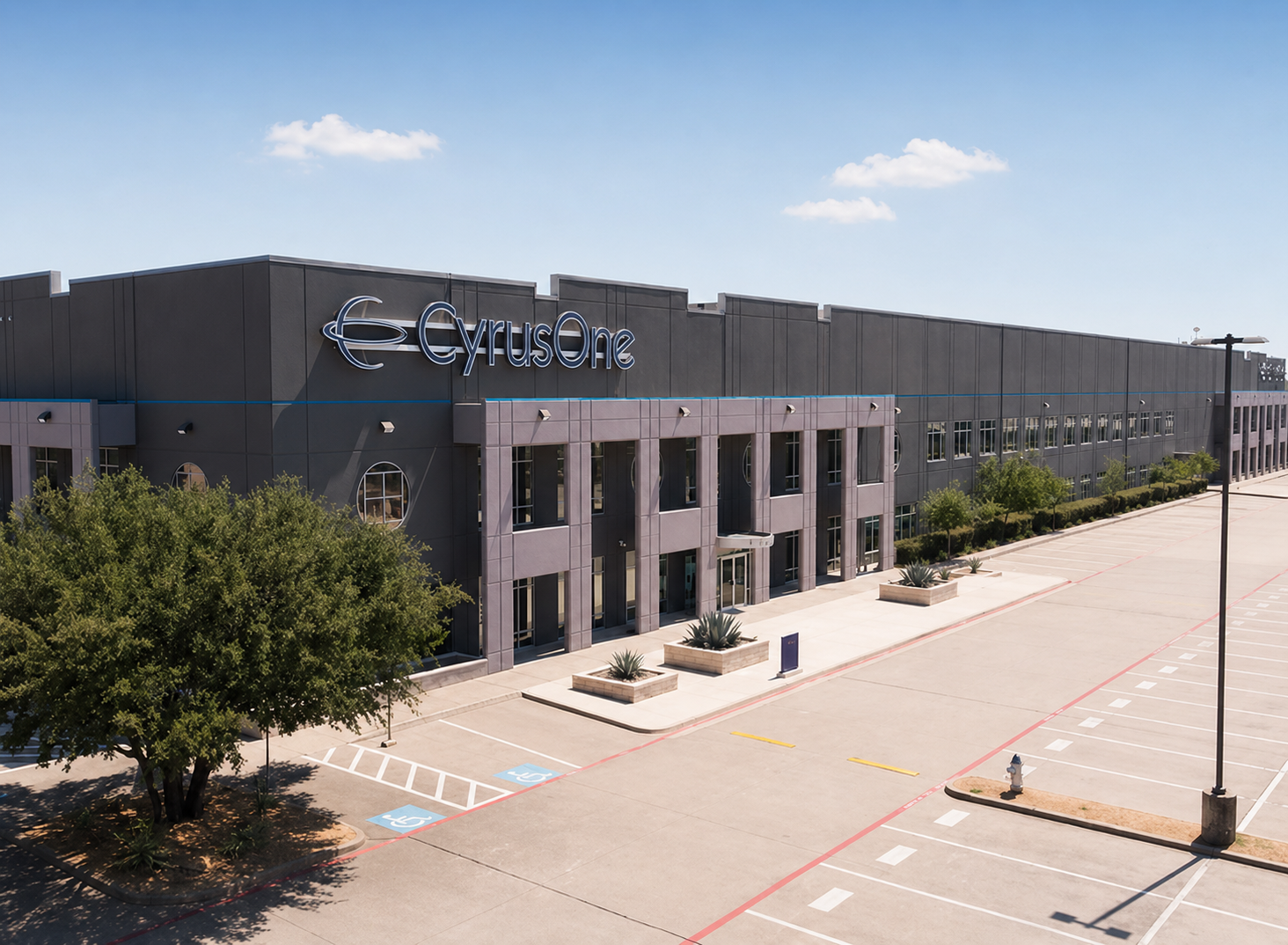
From powering online banking and business software to supporting Carrollton’s 911 dispatch operations, data centers are quietly enabling the digital infrastructure we all rely on every day.
At the same time, the rapid growth of data centers across North Texas is raising important local questions about water, electricity, noise, aesthetics, land use, tax base, ratepayer protection, and community fit.
The Metrocrest Area Chamber believes our members, residents, and community partners deserve a clear, fact-based conversation about what data centers are, what they are not, and what responsible development should look like for Addison, Carrollton, Farmers Branch, and the broader North Texas region.
That is why we are launching a new educational blog series on data centers and digital infrastructure.
Why this conversation matters now
Data centers are becoming a major part of the North Texas economy. According to CBRE’s most recent Dallas-Fort Worth market report, Dallas-Fort Worth is now a 1 gigawatt colocation data center market, with approximately 700 megawatts of colocation space under construction, 94.5 percent of that space preleased, and another 3 gigawatts of new greenfield development planned. CBRE also notes that demand from hyperscalers and AI providers remains strong, while power delivery and power-queue issues are becoming more important.
That kind of growth naturally raises questions.
What exactly is a data center? Why are so many companies investing in them? What do they mean for local tax bases, jobs, infrastructure, water, electricity, noise, aesthetics, and community fit? How should cities evaluate proposed projects? How do we make sure residents and small businesses are protected from utility-rate impacts? And how do we separate legitimate concerns from outdated or incomplete information?
Those are the questions this series will explore.
What is a data center?
Data centers are the physical places that house the servers, network equipment, storage systems, and computing infrastructure that power much of modern life. They support online banking, health care records, cloud software, payroll systems, logistics platforms, e-commerce, cybersecurity, artificial intelligence, public safety, and the everyday tools that businesses and families rely on.
The National League of Cities describes data centers as physical sites that host hardware such as servers and telecommunications equipment needed for data storage, cloud computing, and AI computing.
It is also important to understand that not every data center is the same.
Some are large hyperscale campuses built for major cloud or AI users. Some are colocation facilities that serve multiple business customers. Others are enterprise, edge, or specialized facilities. There are also companies that support the data center industry through cooling technology, operations, electrical infrastructure, cybersecurity, telecommunications, and facility management.
As this series continues, we will explain these differences and why they matter.
This is already a Metrocrest issue
This is not just a statewide or national issue. It is local.
Carrollton is already home to major data center assets. CyrusOne’s DFW1 facility on West Frankford Road is described by CyrusOne as the largest data center facility in Texas, with 600,000 square feet of technical IT space, 90 megawatts of IT capacity, and zero-water-consumption cooling for its primary cooling system. It also plays a role in supporting 911 operations for several local cities through the North Texas Emergency Communications Center.
Data Center Knowledge has reported that dispatch centers for Carrollton, Coppell, Farmers Branch, and Addison share 12,000 square feet in CyrusOne’s Carrollton facility.
That local connection matters. Data centers are not just anonymous industrial buildings. In some cases, they are part of the infrastructure that supports public safety, business continuity, emergency communications, and the digital economy that Metrocrest companies use every day.
The concerns deserve serious discussion
Responsible growth requires honest discussion.
Electricity demand is real. The U.S. Department of Energy reports that data centers consumed about 4.4 percent of total U.S. electricity in 2023 and could consume approximately 6.7 percent to 12 percent by 2028.
Water use also varies widely depending on facility design and cooling technology. The World Resources Institute reports that mid-sized facilities can use up to 300,000 gallons of water per day, while large facilities can consume as much as 5 million gallons daily. The same analysis also notes that some operators are using cooling approaches that reduce water demand, including air cooling, liquid immersion, and reclaimed wastewater.
Noise, building design, setbacks, backup generation, land use, and infrastructure costs are also valid community questions. The National League of Cities has noted that communities are weighing the positives of data center development, such as tax revenue and temporary construction jobs, against concerns about water, energy, emissions, grid strain, ratepayer impacts, noise, and light pollution.
Communities across the country, including in fast-growing regions like North Texas, are asking tougher questions about these projects. That is healthy. Good economic development should be transparent, accountable, and aligned with community needs.
Responsible development should include protections
This conversation should not be reduced to “data centers are good” or “data centers are bad.”
The better question is this:
What does responsible data center development look like for Metrocrest and North Texas?
For the Metrocrest Area Chamber, a responsible approach should include transparency, good siting, clear economic value, enforceable development standards, protection for residents and small-business ratepayers, thoughtful water and power planning, and meaningful coordination between cities, utilities, businesses, and residents.
Responsible development may also include tools such as public benefit agreements, clear infrastructure-cost responsibilities, water-use disclosures, sound and design standards, early community input, and enforceable protections that help ensure residents and small businesses are not left carrying the cost of private development.
What this series will cover
Over the next several weeks, the Metrocrest Area Chamber will publish roughly two posts per week on data centers and digital infrastructure. Each post will be shared through Chamber channels, social media, and email. One post each week will also be highlighted in Metrocrest Matters.
The series will explore:
- Data Centers 101: What they are, what they are not, and why they matter.
- The Metrocrest Connection: How data centers and related companies already show up in Carrollton, Addison, Farmers Branch, and North Texas.
- Economic Impact: What data centers can mean for tax base, construction, suppliers, and long-term public revenue.
- Jobs and Workforce: The honest story about construction jobs, permanent jobs, skilled trades, operations, cooling technology, security, and suppliers.
- Water and Cooling: How water use varies by technology and what local governments can ask before approving projects.
- Electricity and Ratepayer Protection: Why power demand matters and how communities can protect residents and small businesses.
- Noise, Design, and Land Use: How setbacks, screening, building design, generator testing, and zoning can shape community fit.
- Local Policy and Responsible Growth: What safeguards should be in place before communities support major projects.
After the first few posts, we plan to summarize the series in a Voice of Business article for The Branch Herald and point readers back to the full conversation.
Join the conversation
This series is meant to educate, not lecture.
We welcome questions from chamber members, residents, city partners, business owners, and regional leaders. What do you want to better understand about data centers? What concerns should we address? What opportunities should our communities be thinking about?
Share your questions with the Metrocrest Area Chamber at info@metrocrestchamber.com, comment on our social media posts, or watch for future opportunities to join the conversation.
Data centers are already part of the Metrocrest story. Now is the time to understand them better, ask the right questions, and work together toward responsible growth.
